TPO (Thermoplastic Polyolefin)
TPO has become the most popular commercial roofing membrane in North America, and for good reason. It's heat-weldable (creating watertight seams), energy-efficient (white reflective surface), and competitively priced. If you're spec'ing a new flat roof today, TPO is likely your default choice.
Key Specs
- Cost: $3.50 – $7.50 per sq ft installed
- Lifespan: 20 – 30 years
- Thickness: 45 mil, 60 mil, or 80 mil (60 mil is standard)
- Seams: Hot-air welded (strongest seam in single-ply)
- Energy: Highly reflective - meets ENERGY STAR and Cool Roof standards
Best For
New construction, restaurants (grease-resistant), buildings prioritizing energy efficiency, and budget-conscious commercial projects. Top brands: Carlisle, Firestone, GAF, Johns Manville.
Shop TPO on Amazon →EPDM (Ethylene Propylene Diene Monomer)
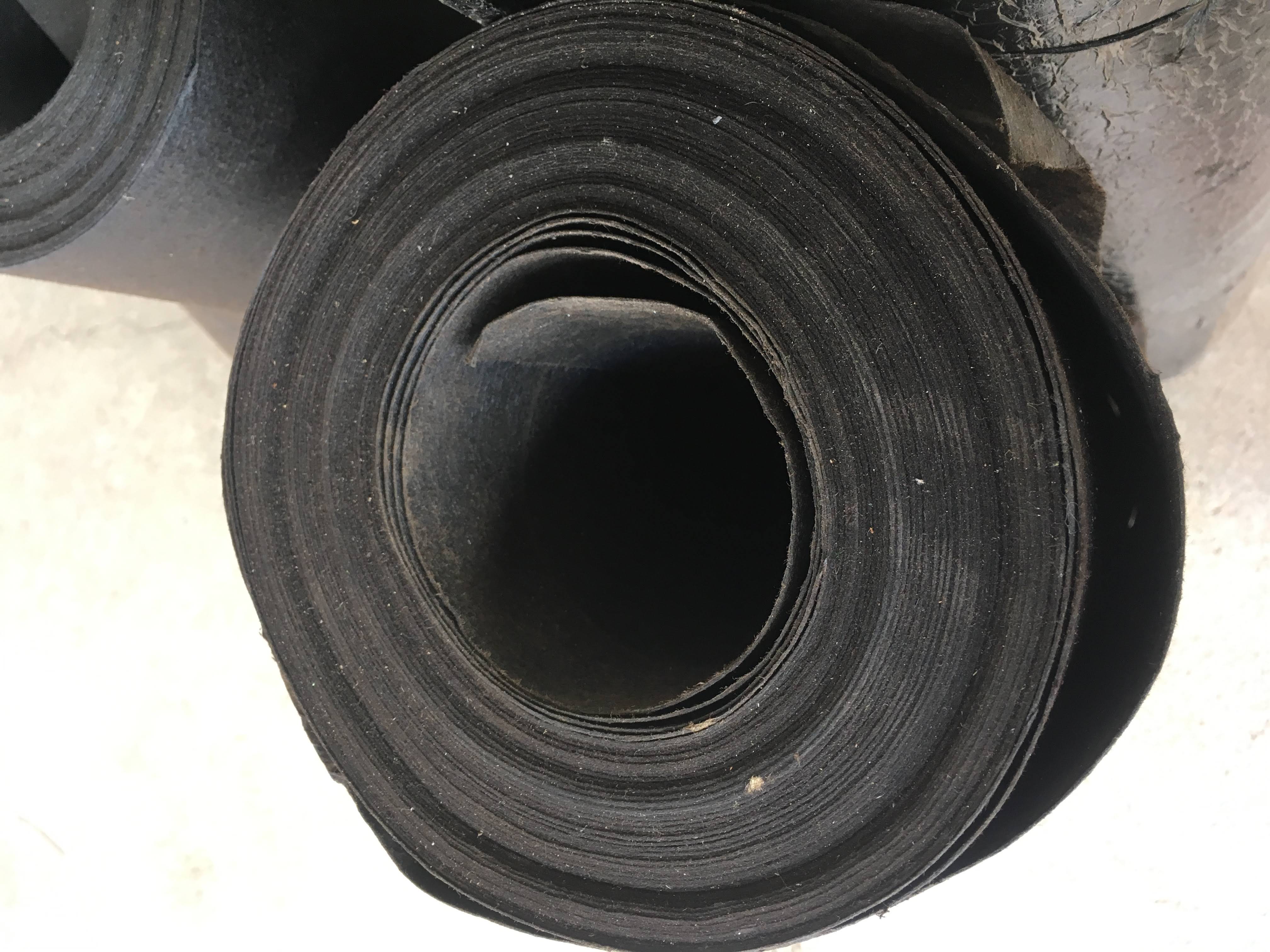
EPDM - the classic "rubber roof" - has been the workhorse of commercial roofing for 50+ years. It's the most time-tested single-ply membrane with a proven track record. Black EPDM absorbs heat (good in cold climates), while white EPDM reflects it.
Key Specs
- Cost: $3.00 – $6.00 per sq ft installed
- Lifespan: 25 – 35 years
- Thickness: 45 mil or 60 mil
- Seams: Adhesive or tape (not as strong as welded seams)
- Flexibility: Excellent - performs well in extreme cold
Best For
Cold climates (stays flexible in freezing temps), reroofing over existing systems, and buildings where proven long-term performance matters most. Top brands: Firestone, Carlisle, Johns Manville.
Shop EPDM on Amazon →PVC (Polyvinyl Chloride)
PVC membranes are the premium single-ply option. Like TPO, seams are hot-air welded, but PVC has a longer track record and superior chemical resistance - making it the go-to for restaurants, laboratories, and any building with rooftop exhaust from kitchens or manufacturing.
Key Specs
- Cost: $5.00 – $10.00 per sq ft installed
- Lifespan: 25 – 35+ years
- Thickness: 50 mil, 60 mil, or 80 mil
- Seams: Hot-air welded (excellent integrity)
- Chemical resistance: Best in class - animal fats, chemicals, oils
Best For
Restaurants and food processing, chemical plants, buildings with rooftop grease exposure, and projects where long-term reliability justifies the premium. Top brands: Sika Sarnafil, Duro-Last, IB Roof.
Shop PVC on Amazon →Modified Bitumen
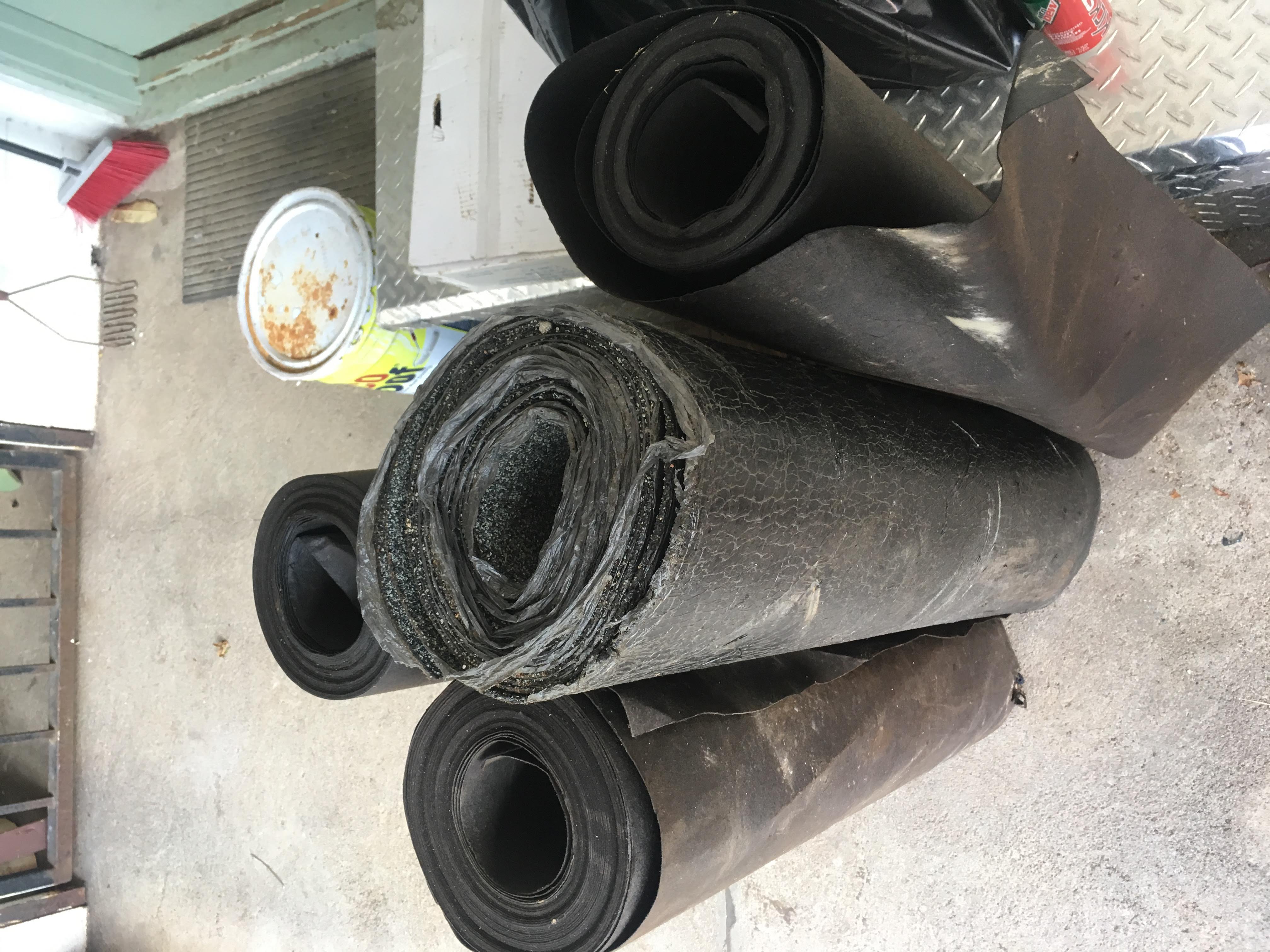
Modified bitumen is an evolution of the traditional built-up roof. It combines asphalt with rubber or plastic modifiers (SBS or APP) applied in sheets. It's tougher than BUR, easier to install, and provides excellent waterproofing and foot traffic resistance.
Key Specs
- Cost: $3.50 – $6.50 per sq ft installed
- Lifespan: 20 – 30 years
- Types: SBS (rubber-modified, flexible) or APP (plastic-modified, UV-stable)
- Installation: Torch-applied, cold-adhesive, or self-adhering
- Foot traffic: Excellent - handles maintenance foot traffic well
Best For
Buildings with heavy rooftop equipment, areas needing regular maintenance access, cold climates (SBS mod bit), and projects where a multi-layer system adds redundancy. Top brands: GAF, Firestone, Polyglass.
Shop Mod Bit on Amazon →Built-Up Roofing (BUR)
The original flat roof system - built-up roofing uses multiple layers of bitumen and reinforcing fabrics (typically 3–5 plies) topped with gravel or a cap sheet. BUR has been used for 100+ years and still performs well, though it's being replaced by single-ply on most new projects.
Key Specs
- Cost: $4.00 – $8.00 per sq ft installed
- Lifespan: 20 – 30 years
- Layers: 3–5 plies of bitumen and felt/fiberglass
- Surface: Gravel, mineral cap, or smooth (flood coat)
- Redundancy: Multiple layers provide built-in backup
Best For
Existing BUR roofs needing maintenance or overlay, projects where multi-layer redundancy is critical, and buildings where the gravel surface provides ballast and UV protection.
Commercial Metal Roofing
Metal roofing isn't just for houses. Standing seam and R-panel metal systems are increasingly used on commercial buildings, warehouses, and retail structures. They offer the longest lifespan of any commercial roof and require the least maintenance.
Key Specs
- Cost: $5.00 – $14.00 per sq ft installed
- Lifespan: 40 – 70+ years
- Types: Standing seam, R-panel, corrugated, insulated metal panels (IMP)
- Slope: Works on low-slope (minimum 1:12) and steep-slope
- Maintenance: Minimal - inspect fasteners and sealants annually
Best For
Warehouses, retail buildings, churches, schools, and any structure where the owner wants a 50+ year roof with minimal maintenance. See our full metal roofing guide →
Commercial Roofing Comparison
| System | Cost/sq ft | Lifespan | Best Use Case |
|---|---|---|---|
| TPO | $3.50 – $7.50 | 20 – 30 yrs | New construction, energy efficiency |
| EPDM | $3.00 – $6.00 | 25 – 35 yrs | Cold climates, proven reliability |
| PVC | $5.00 – $10.00 | 25 – 35+ yrs | Restaurants, chemical resistance |
| Modified Bitumen | $3.50 – $6.50 | 20 – 30 yrs | Foot traffic, multi-layer redundancy |
| BUR | $4.00 – $8.00 | 20 – 30 yrs | Existing BUR systems, ballasted |
| Metal | $5.00 – $14.00 | 40 – 70+ yrs | Warehouses, long-term ownership |
Frequently Asked Questions About Commercial Roofing
What is the best commercial roofing material?
TPO (thermoplastic polyolefin) is the most popular commercial roofing material in 2026, offering excellent energy efficiency, weldable seams, and good value at $5.50-$9.50 per square foot installed. For maximum durability, PVC is the premium choice. For budget projects, EPDM rubber remains reliable at the lowest cost. See all options in our complete roofing materials comparison.
TPO vs EPDM: which is better for a flat roof?
TPO is better for energy efficiency (white reflective surface) and has heat-welded seams that are stronger than EPDM's glued seams. EPDM is better for budget-conscious projects and has a longer track record (50+ years of use). TPO costs $5.50-$9.50/sq ft installed versus $4.00-$8.00 for EPDM. For most new commercial builds, TPO is the better choice.
How long does a commercial flat roof last?
Commercial flat roof lifespans vary by material: TPO lasts 20-30 years, EPDM lasts 25-30 years, PVC lasts 25-35 years, modified bitumen lasts 20-30 years, and built-up roofing (BUR) lasts 20-30 years. Metal commercial roofs last 40-70+ years. Regular maintenance and inspections extend all these lifespans significantly.
How much does a commercial roof replacement cost?
Commercial roof replacement costs $4.00-$14.00 per square foot installed depending on the material and system. For a typical 10,000 sq ft commercial building: EPDM runs $40,000-$80,000, TPO runs $55,000-$95,000, and PVC runs $65,000-$120,000. Add 10-20% for tear-off of the existing roof if needed. Get quotes from multiple contractors using our contractor finder guide.