Why Underlayment Matters
Roofing underlayment is your roof's second line of defense against water intrusion. If a shingle blows off in a storm or an ice dam backs up water under the shingles, underlayment is what keeps the water out of your home. Building codes require it, and the type you choose directly impacts how long your roof system lasts.
There are three main categories: synthetic underlayment (the modern standard), asphalt-saturated felt (the traditional choice), and self-adhering ice & water shield (for vulnerable areas like valleys, eaves, and penetrations).
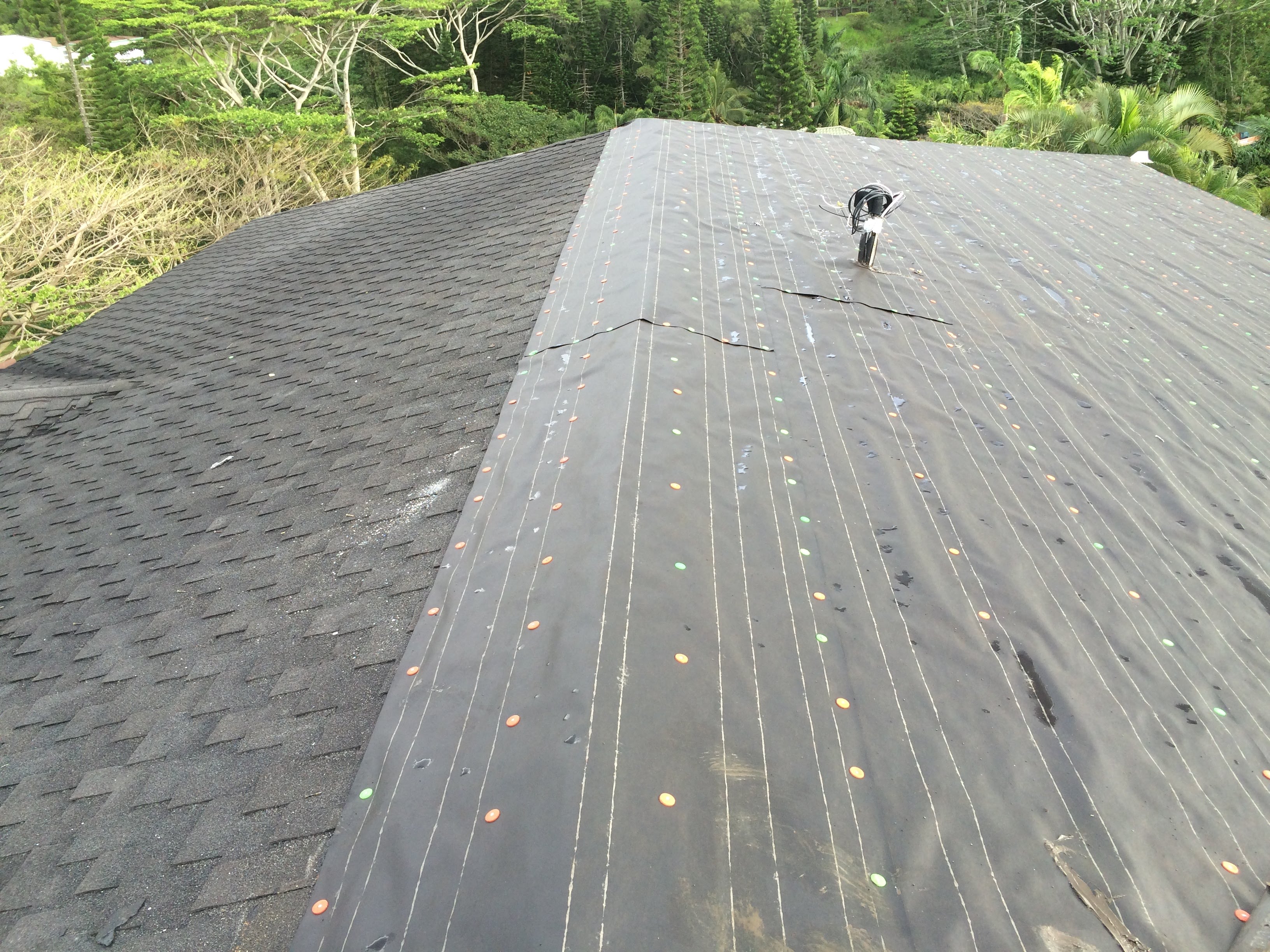
Tiger Paw Synthetic Underlayment
The industry favorite among roofers. Tiger Paw is lightweight, lays flat without wrinkles, and provides excellent traction when walking on it - a huge safety factor on steep roofs.
- Won't wrinkle, buckle, or crack
- Excellent foot traction (even wet)
- Covers 1,000 sq ft per roll
- Compatible with all GAF shingle systems
- UV stable for up to 6 months of exposure
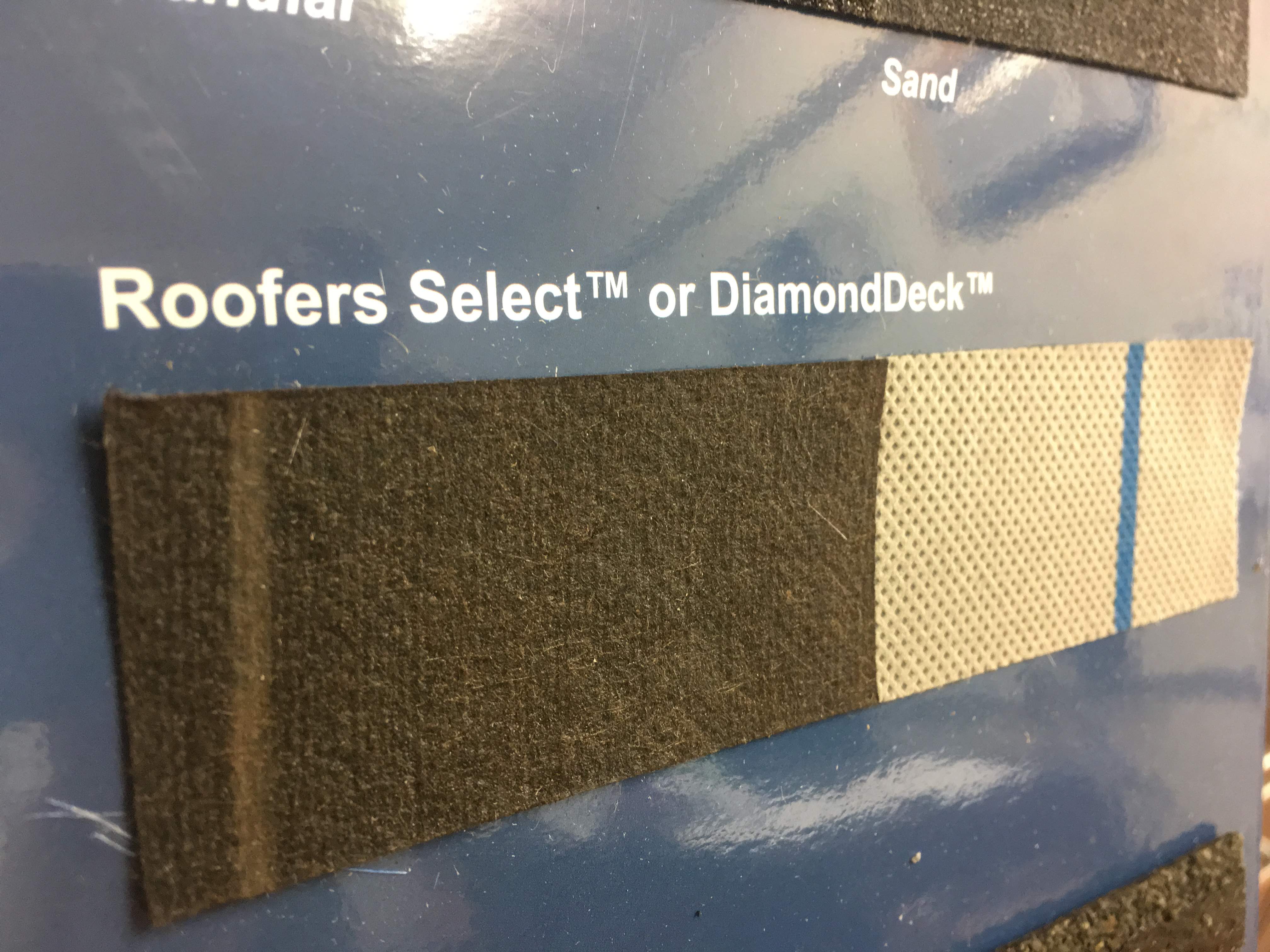
RoofRunner Synthetic Underlayment
CertainTeed's synthetic option offers the same wrinkle-free, walkable surface as Tiger Paw at a competitive price. Pairs well with CertainTeed's Landmark shingle system.
- Lightweight polypropylene construction
- Non-slip walking surface
- Tear-resistant and water-shedding
- 1,000 sq ft coverage per roll
- 6-month UV exposure rating
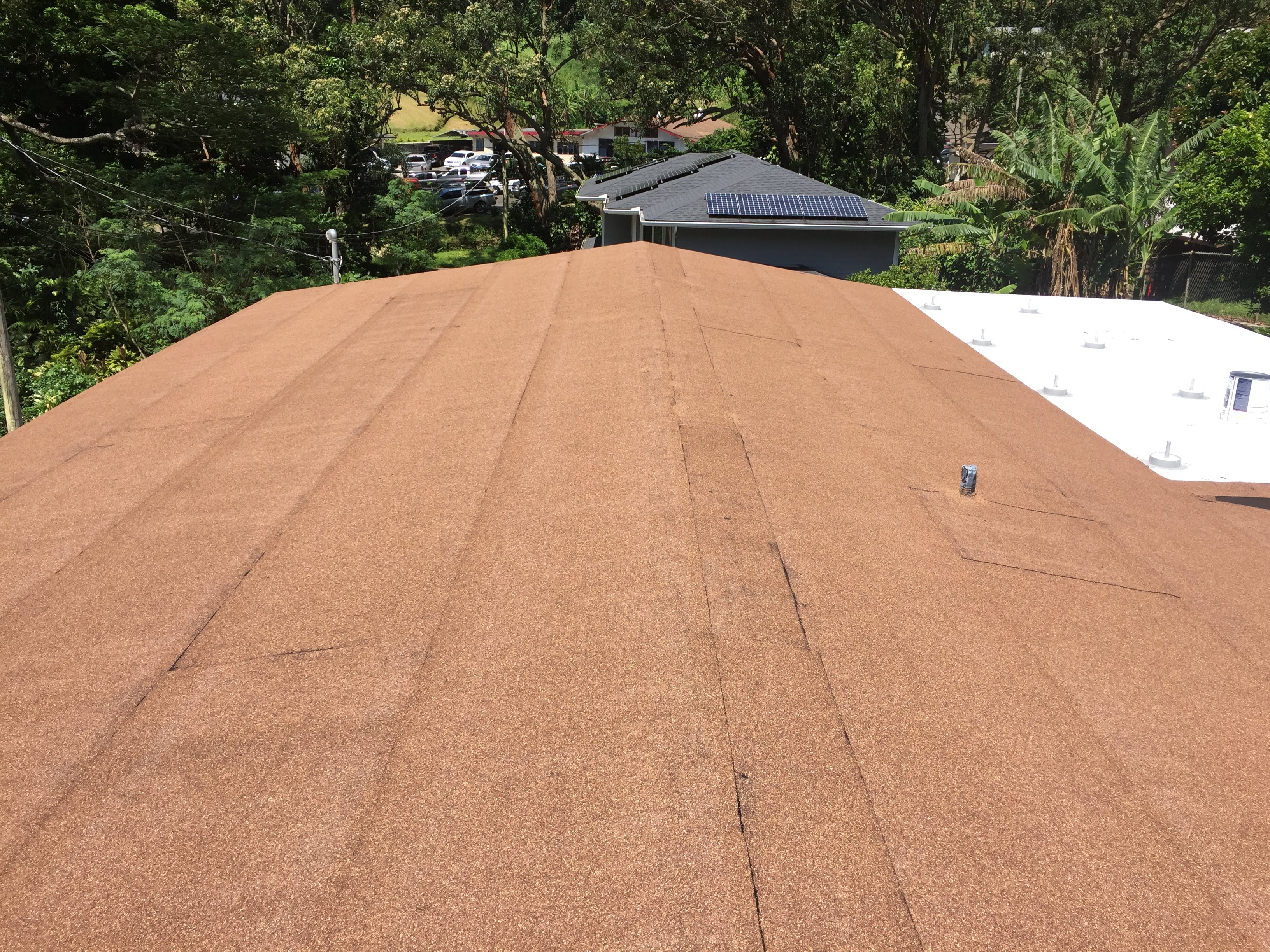
30# Asphalt-Saturated Felt Paper
The traditional underlayment that's been used for decades. Still code-compliant and budget-friendly, but synthetic has largely replaced it in professional use due to durability and safety concerns.
- Lowest cost underlayment option
- Meets building code requirements
- Available at any supply house
- Heavier and harder to work with than synthetic
- Can wrinkle and tear when wet
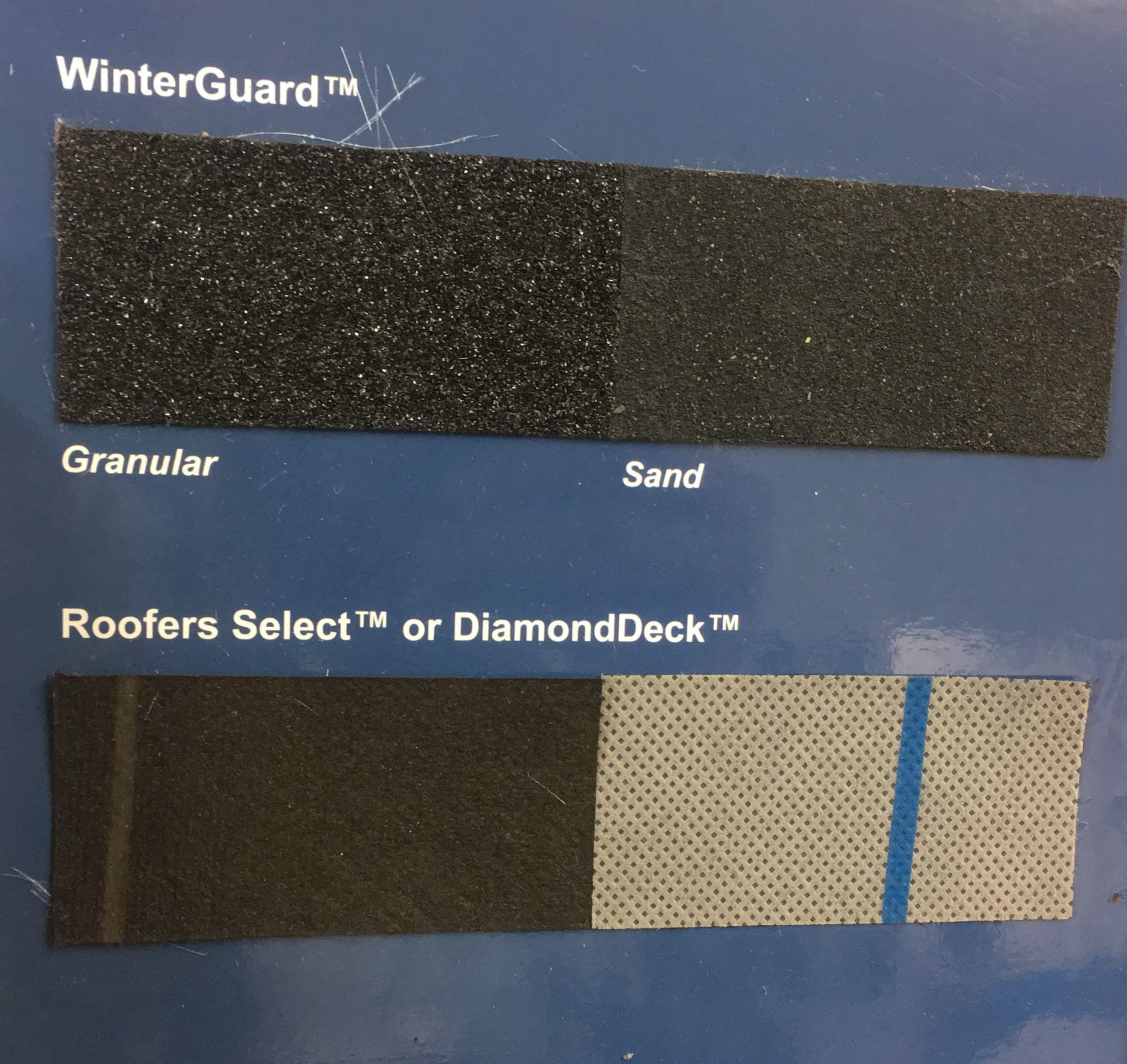
StormGuard Ice & Water Shield
Self-adhering, waterproof membrane required by code in ice dam zones (first 3 feet from eave). Also essential for valleys, around penetrations, and low-slope transitions.
- Fully waterproof - seals around nail penetrations
- Self-adhering (no fasteners needed)
- Required by code at eaves in cold climates
- Essential for valleys and pipe penetrations
- 200 sq ft per roll
Underlayment Comparison
| Type | Cost/Roll | Coverage | Waterproof? | Best Use |
|---|---|---|---|---|
| Synthetic | $75 – $100 | 1,000 sq ft | Water-resistant | Full roof deck (standard) |
| 30# Felt | $25 – $40 | 216 sq ft | Water-resistant | Budget projects |
| Self-Adhering (I&W) | $85 – $120 | 200 sq ft | Yes - fully waterproof | Eaves, valleys, penetrations |
When to Use Each Type
Synthetic Underlayment (Use This by Default)
Synthetic is the modern standard for full-deck underlayment under asphalt shingles. It's lighter, stronger, safer to walk on, and covers more area per roll than felt. The only reason to use felt instead is cost - and the difference on a typical roof is only $100–200.
Ice & Water Shield (Required in Many Areas)
Building codes in cold-climate zones require self-adhering ice & water shield along the eaves (typically the first 24" past the interior wall line). Smart roofers also use it in valleys, around skylights, pipe boots, chimney flashing, and any roof-to-wall transitions.
Felt Paper (Budget Option)
If budget is extremely tight, 30# felt is still code-compliant and functional. Use 30# (not 15#) for better tear resistance. Just know that it's heavier, wrinkles when wet, and offers less traction than synthetic - making steep-slope work more dangerous.
Catch the Next Leak Early
Even the best underlayment can't help if a pipe bursts inside the house while nobody's home. The Flo Smart Water Monitor & Shutoff by Moen installs on your main water line, watches for unusual flow patterns, and can shut the water off automatically before a small leak turns into a big repair. It sends alerts to your phone, and some insurers offer discounts for automatic shutoff devices.
See the Flo Smart Water Shutoff by Moen →
Disclosure: SkilledRoofer.com may earn a commission if you buy through this link, at no extra cost to you.
Frequently Asked Questions About Roofing Underlayment
Do you need underlayment under roof shingles?
Yes. Roofing underlayment is required by building code (IRC R905.1.1) under asphalt shingles in virtually all jurisdictions. It serves as a secondary water barrier if shingles are damaged by wind, acts as a vapor barrier, and protects the roof deck during installation. Never skip underlayment even on re-roofs.
Synthetic vs felt underlayment: which is better?
Synthetic underlayment is better in almost every way. It is lighter (about 60% lighter than 30# felt), lays flatter, resists tearing, provides better traction for workers on steep slopes, and can be left exposed to weather for up to 6 months. Felt paper is cheaper but wrinkles when wet, tears easily, and becomes slippery. The price difference is only $15-25 more per square for synthetic.
What is ice and water shield and where do you need it?
Ice and water shield is a self-adhering rubberized membrane that sticks directly to the roof deck, creating a waterproof seal around nail penetrations. You need it in valleys, along eaves (at least 24 inches past the interior wall line), around penetrations (pipes, vents, skylights), and on low-slope roof sections. It is required by code in cold climates to prevent ice dam damage.
How thick should roofing underlayment be?
Synthetic underlayment thickness is not as important as the material weight and tear resistance. Most quality synthetic underlayments are 6-8 mils thick. For felt, always use 30# (not 15#) for better durability. For ice and water shield, standard thickness is 40-60 mils. Focus on the product's tear strength and UV resistance rating rather than thickness alone. Need the right tools for installing underlayment? Check our tool guide.